
Borrow Compute,
Keep Logs Local.
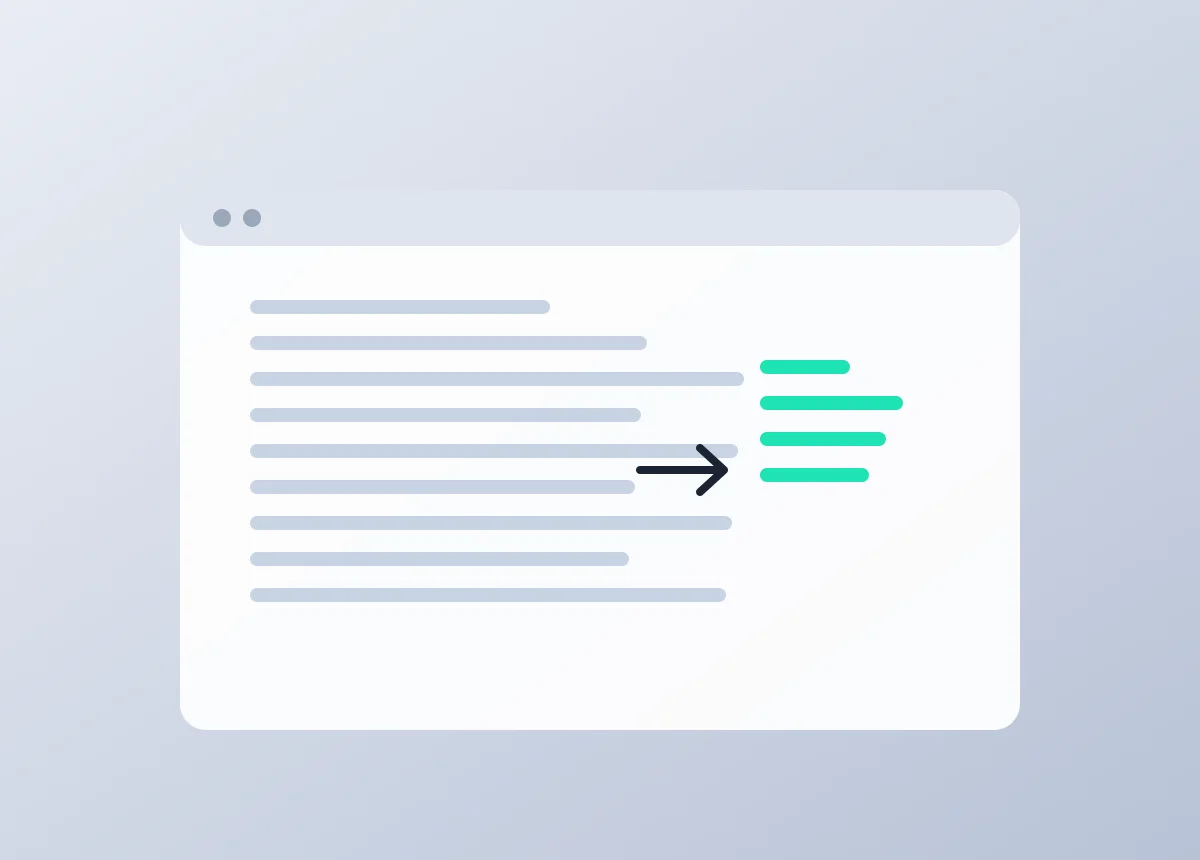
Use idle team computers to compress testnet logs without uploading them. A coordinator on one machine queues the files, idle desks pull the jobs, and every archive is checked against its original before it lands in your shared folder.
Concept stageThe prototype runs on one local network. Nothing is uploaded. No token needed.
What runs today, on your own machines.

Stay
local.
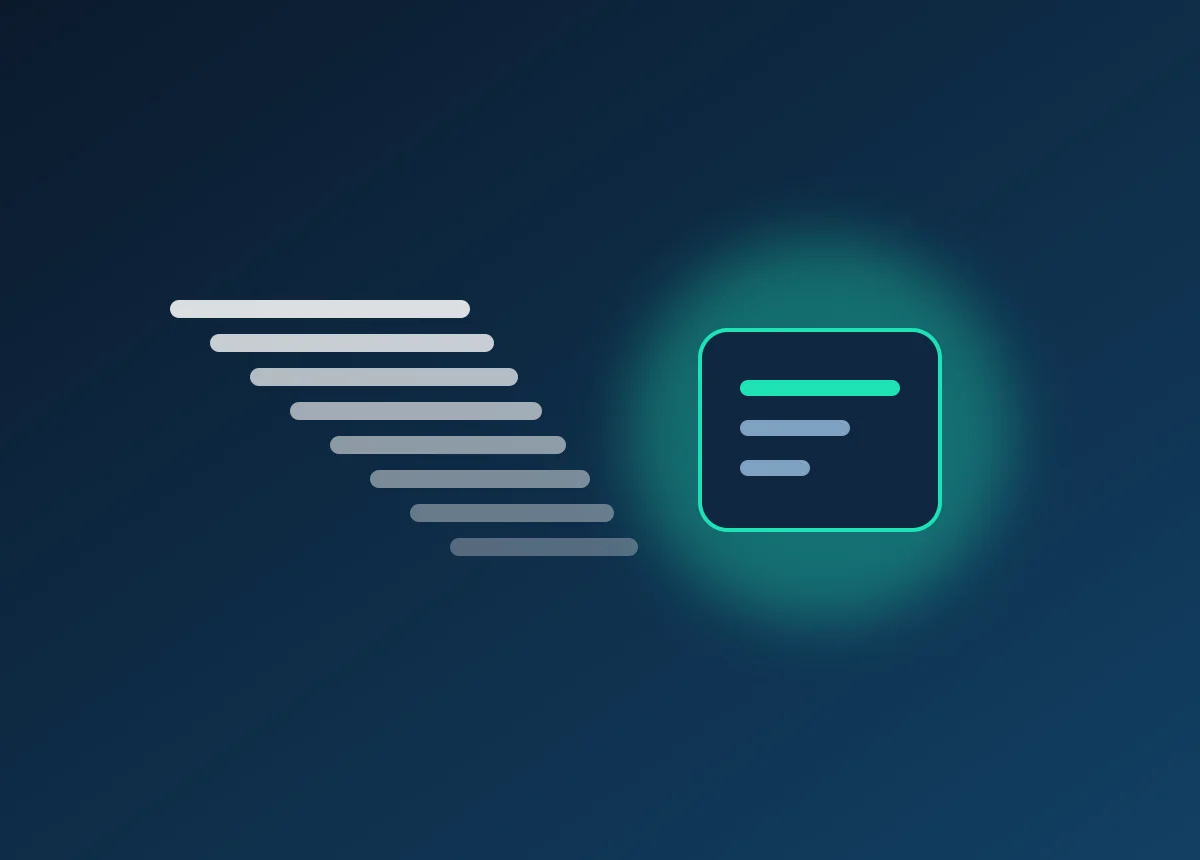
Test runs on a busy chain leave gigabytes of logs behind, and the disk that holds them fills first. Meanwhile half the team's computers sit idle. Noeten puts those idle machines to work on compression, inside your own network, so no log has to go to a cloud bucket to get smaller.
How fast logs pile up on Robinhood Chain, read live.
LiveReading Robinhood Chain…
Idle
machines.
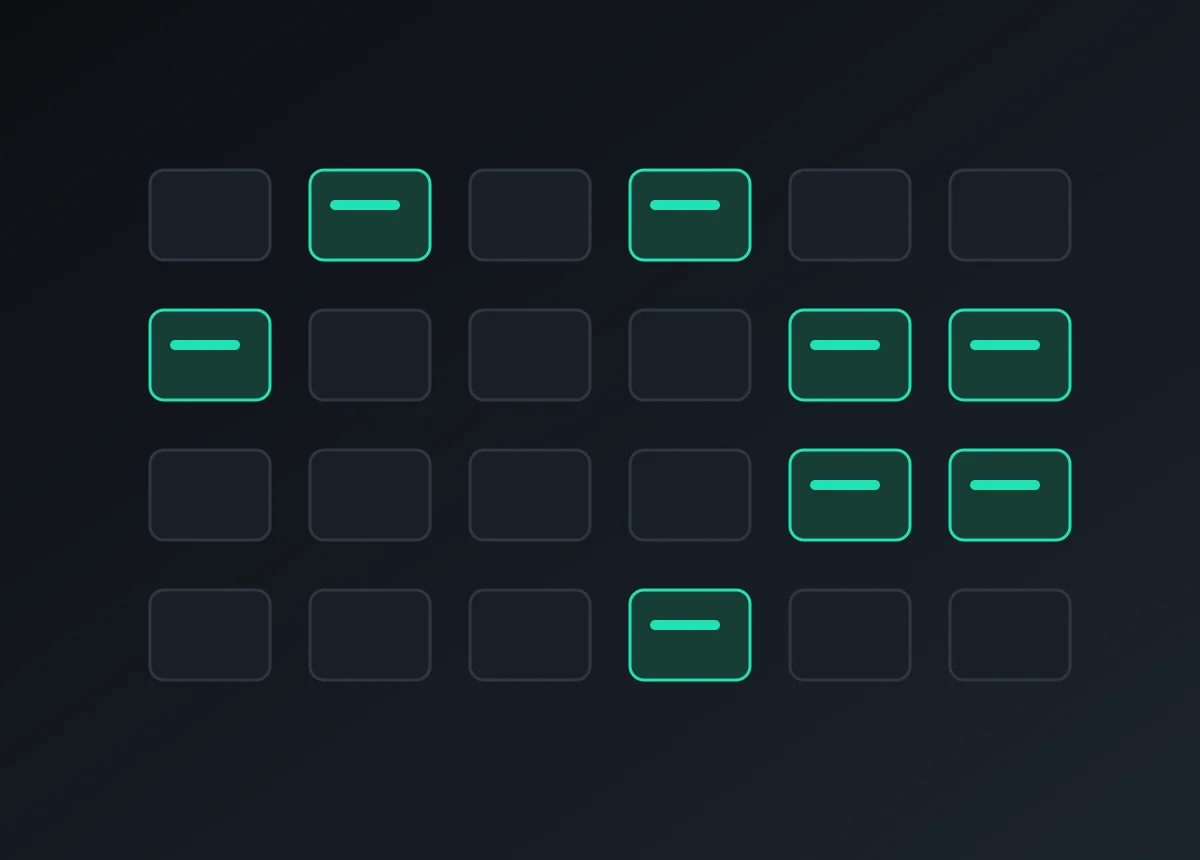
A worker runs on any team computer with Node. It takes a job only while the machine is quiet, streams the log over the LAN, compresses it, opens the archive again to prove it matches, and hands it back. If a machine drops out, its job returns to the queue.
Counted plainly, not rounded up.
- Parts that run today
- (5)
- Parts that are concepts
- (2)
- Log bytes uploaded
- (0)
- Local network per queue
- (1)
- Tokens needed
- (0)
Parts. what we built.
 Concept
More than one site (Concept)
Queues that span two offices or a home and an office.
Not built. Today everything stays on one local network.
Concept$NOETEN (Concept)
A token for larger teams or extra features once they exist.
Not built, not needed. Every prototype above works without it.

Prove the
archive.
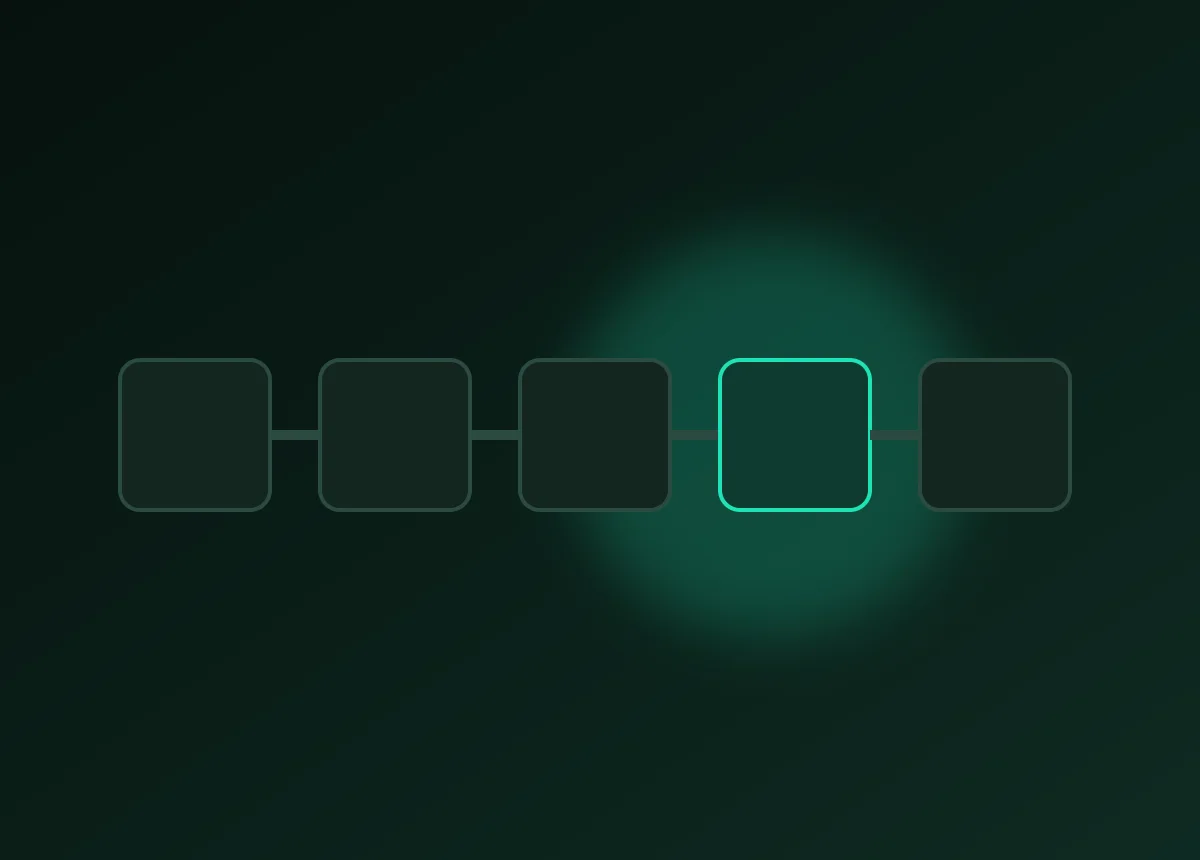
When a run finishes, the coordinator writes a manifest: every file, both hashes, both sizes. Anchor its sha256 and Merkle root on Robinhood Chain, and any team member can later prove a single archive belonged to that run, without showing the rest. Hashes only; the logs stay home.
Prototype Contract written and tested; not deployed yet.



Questions. Answered plainly.
What is Noeten?
A log compression queue for one team's local network. One computer acts as coordinator and queues the testnet log files; the team's other computers pull jobs while they are idle, compress the files, check that every archive opens to the exact original, and write it to a shared folder. The project is at concept stage: what runs today is a working prototype of that loop, the in-browser demo, the live network figures and the ledger contract.
Are my logs uploaded anywhere?
No. The coordinator and workers talk only over your own network and write only to your own shared folder. The demo on this site compresses in your browser tab and sends nothing. The optional ledger stores hashes, sizes and counts, never a log line or a file name.
Can this website see my local network?
No. A website cannot reach machines on your LAN, and this one does not try. You run the coordinator and workers yourself from the source code; the site shows how, and checks a manifest file you drop into it, inside your browser.
How do I know an archive is complete?
The worker decompresses its own archive and compares sha256 and size with the original before reporting it. The coordinator then reads the archive from the shared folder and does the same check again, with a size cap and a time limit. Only archives that pass both go into the run manifest.
What does the ledger add?
A public, timestamped record that a run with this manifest existed. Later, anyone holding a file and its archive can prove that pair belongs to the anchored run with a short Merkle proof. The ledger cannot know whether you still keep the archive, and the contract is not deployed yet.
What does it cost to run?
The queue costs nothing beyond the computers you already have. Anchoring a run is one Robinhood Chain transaction paid in ETH by the team member who sends it.
Do I need the $NOETEN token?
No. Every Prototype feature works without it. Token use is a Concept. The contract address is published at launch; until then it reads TBA.
Two small Node scripts with no dependencies and no account to create. Start the coordinator where the logs are, start a worker on each machine that is often idle, point both at the same shared folder. That is the whole setup.